
Rapier Training:
The Art of the Duel
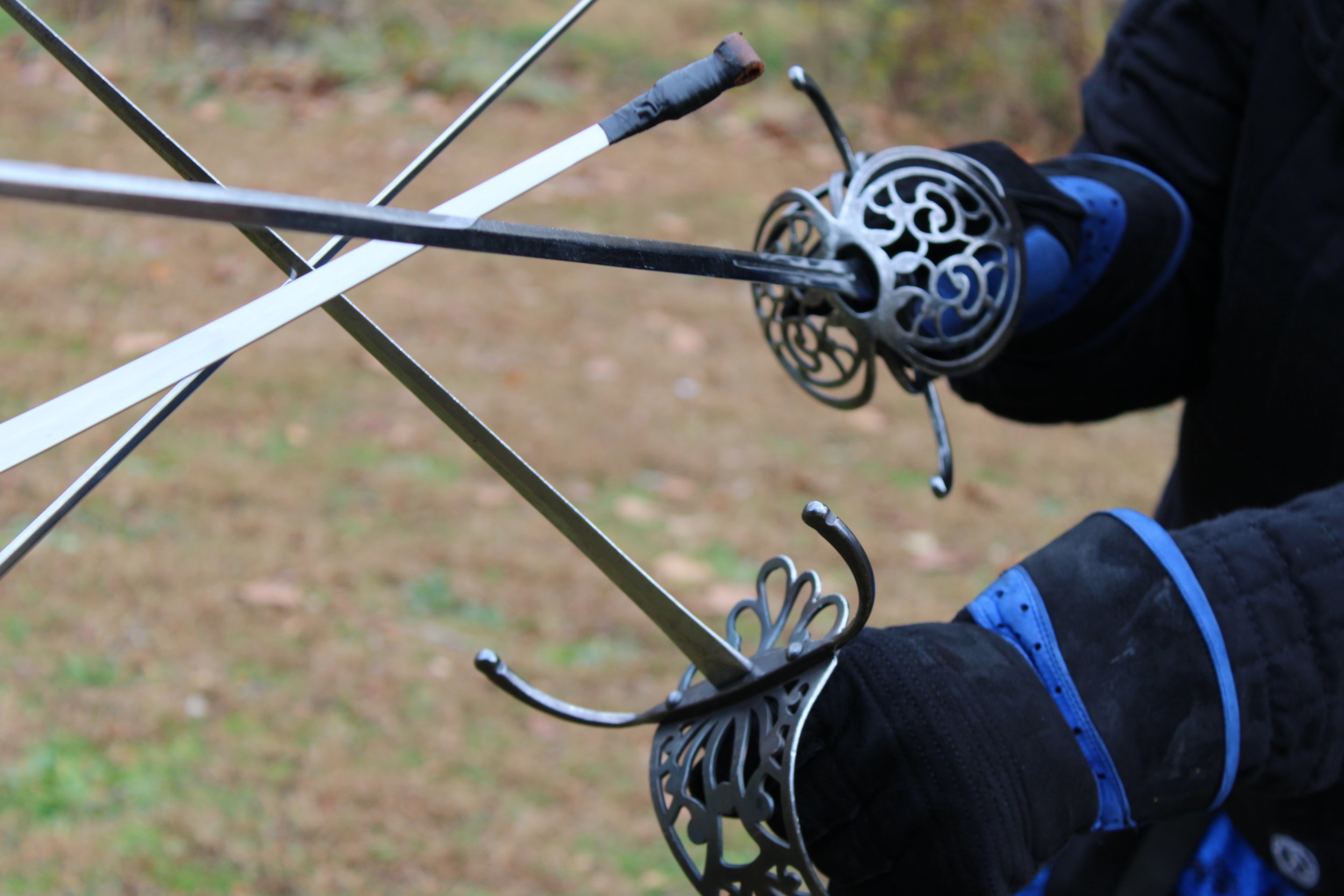
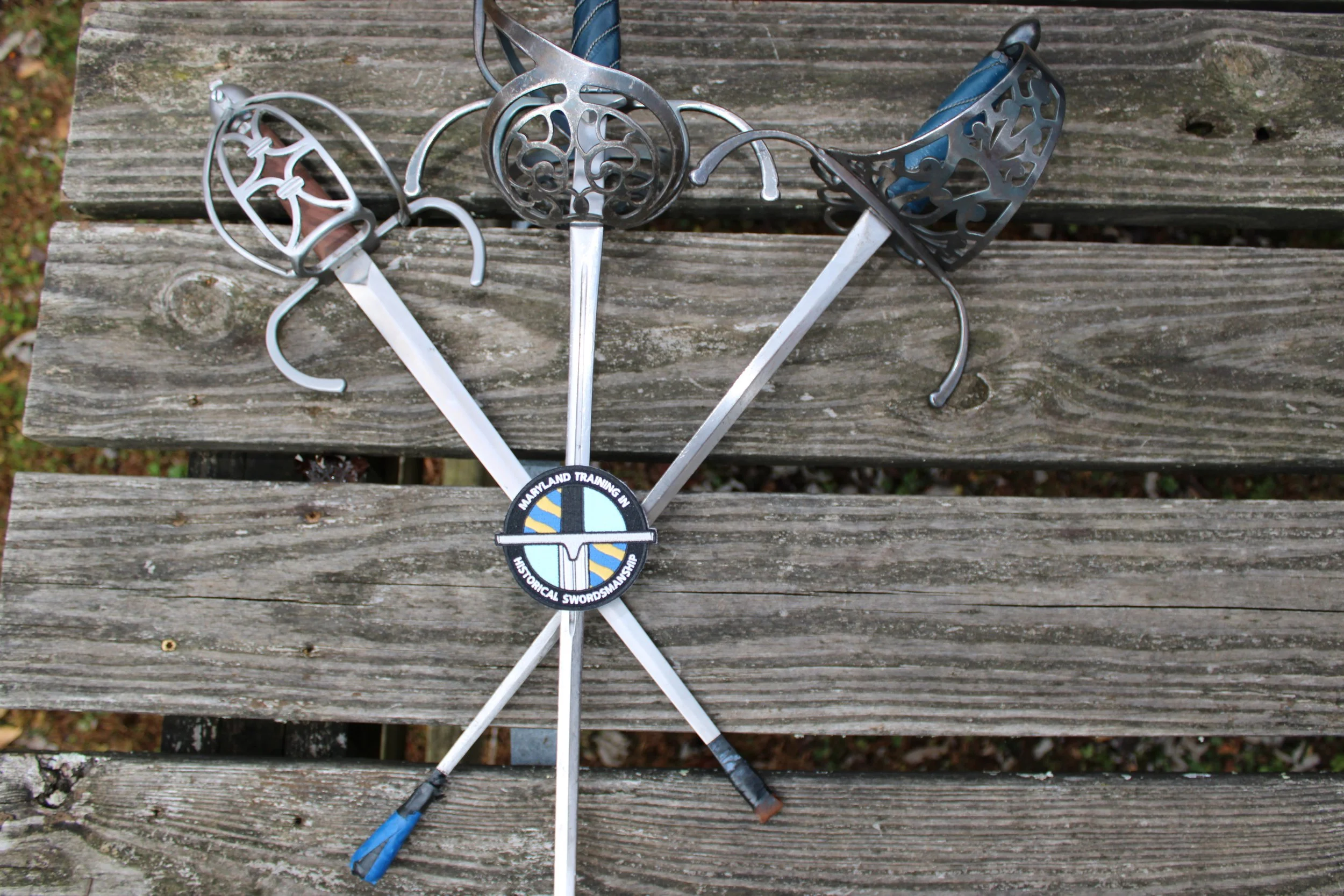
At MyTHS, we provide comprehensive instruction in the Rapier—the primary sidearm of the 16th and 17th centuries. Our curriculum is built upon the study of authentic historical manuals, ensuring that our students learn techniques that were actually used in the courts and streets of Europe.

Our Rapier Lineages
We do not teach a "generic" style of fencing. MyTHS is dedicated to the preservation of specific, high-quality historical systems. We offer instruction in three primary traditions:
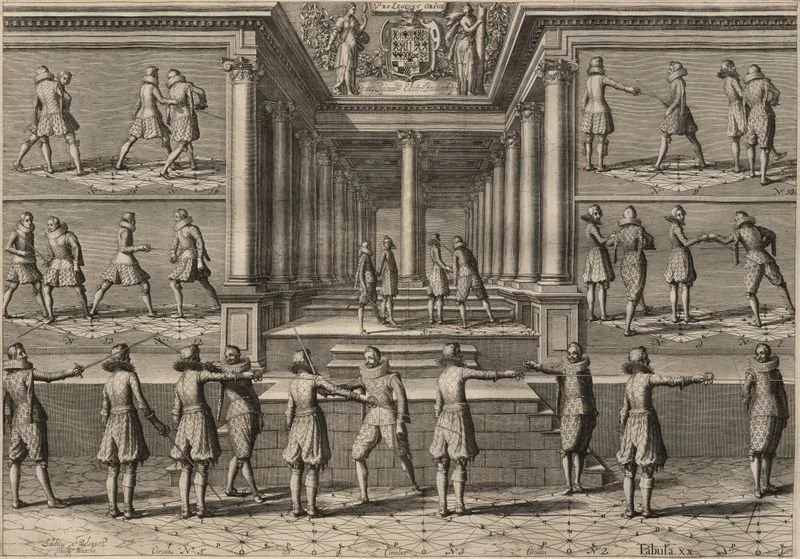
Spanish Rapier (Rada & Thibault)
The Spanish system, often referred to as La Destreza, is famously intellectual and geometric. Based on the works of Rada and Thibault, this style emphasizes the "Circle of Measure"—the idea that the duel is a geometric problem to be solved with positioning and timing. It focuses on robust, defensive posture and the sophisticated use of the off-hand for protection.
Why it appeals to modern practitioners: It offers a "chess-like" experience for the student. For those who enjoy deep technical analysis, complex footwork, and the "science" of geometry, the Spanish system provides a rewarding level of mastery that feels like learning a secret language of combat.
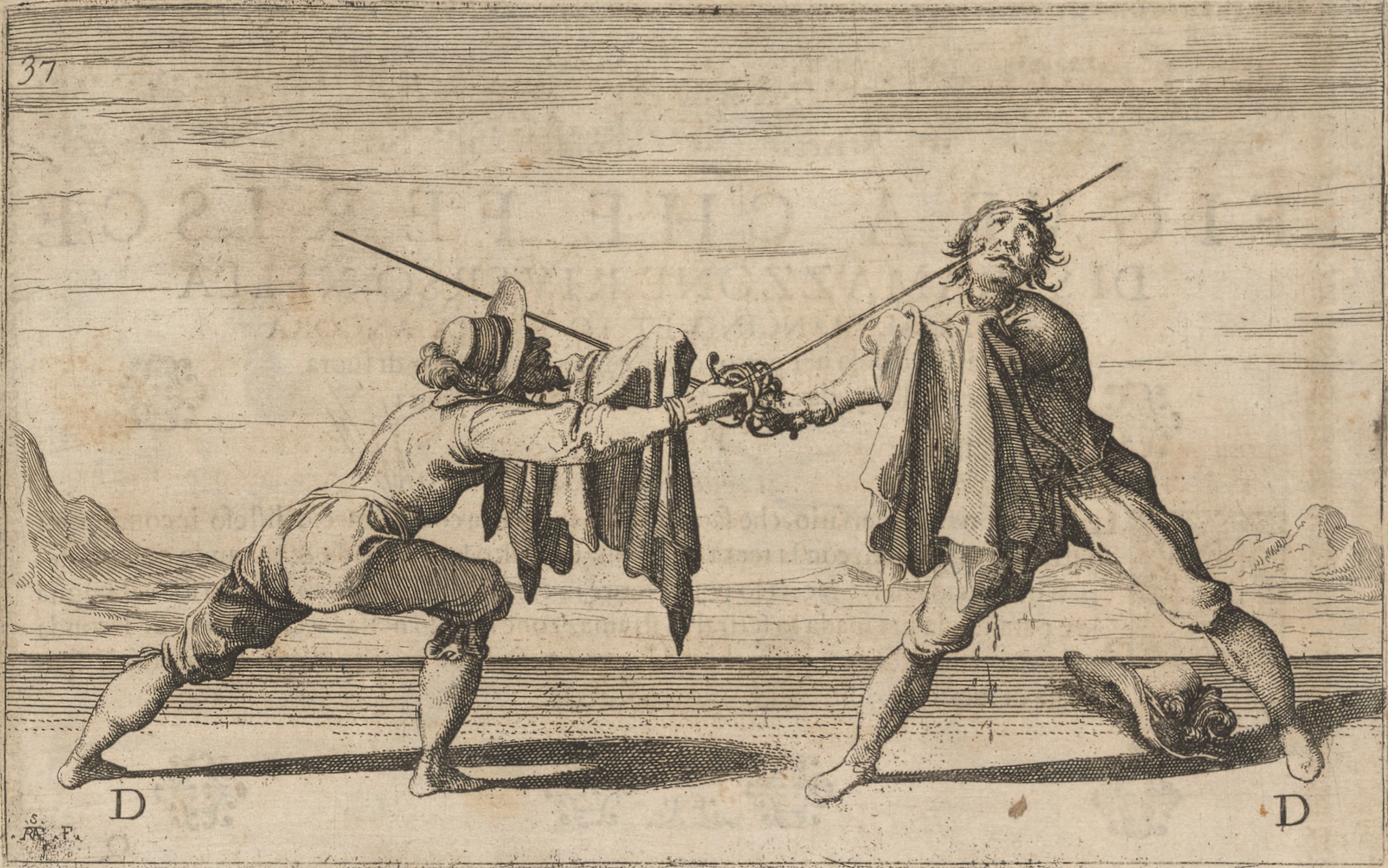
Italian Rapier (Capo Ferro)
The Italian school, most famously codified by Capo Ferro, is the cornerstone of the 17th-century "science of defense." It focuses on linear movements, precise timing, and the constant "finding" of the opponent's sword. Capo Ferro’s system is highly systematic, providing a clear, logical framework for understanding the interaction between two blades in a duel.
Why it appeals to modern practitioners: It is often the most accessible starting point for the "pure" rapier experience. Its logical, linear progression makes it incredibly satisfying to learn, providing a clear path from basic blade work to advanced, high-speed interactions.
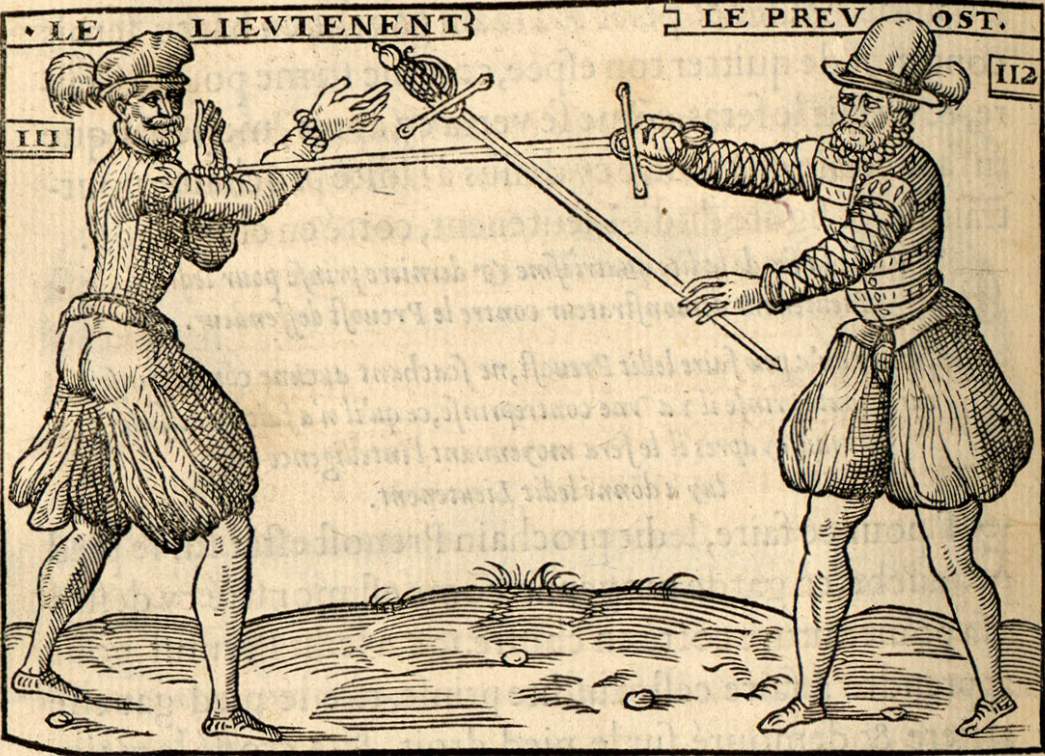
French Rapier (Henry Saint Didier)
The French style, represented by masters like Henry Saint Didier, captures the transition of the 17th-century courtly life into the art of the sword. It is characterized by its elegance and nuance, focusing on refined technique and the sophisticated "school of the sword." It bridges the gap between the heavy, robust styles of the past and the refined aesthetics of the smallsword.
Why it appeals to modern practitioners: It is the "art" of the sword. For students who appreciate the aesthetic beauty of historical fencing and want to explore a more nuanced, fluid style of movement, the French tradition offers a sophisticated and rewarding artistic experience.
Why Study Rapier with MyTHS?
By studying multiple lineages, our students gain a deeper understanding of how different cultures and masters approached the same problem: how to defend yourself with a sword. Whether you are interested in the technical complexity of the Spanish system, the logical science of the Italian school, or the refined elegance of the French tradition, our instructors provide the context and the "why" behind every movement.
Who is this for? Whether you are a history buff looking to "live" the past, a martial artist seeking a new challenge, or a complete beginner, our Rapier classes offer a safe, structured, and rewarding path into historical fencing.
Forest Hill, MD
Bel Air, MD
Harford County, MD
Cecil County, MD
Baltimore, MD
Wilmington, DE
Questions about our Rapier curriculum?
Contact us at mythshema@gmail.com